Belgian Maternity Leave and Pay Explained for Expats
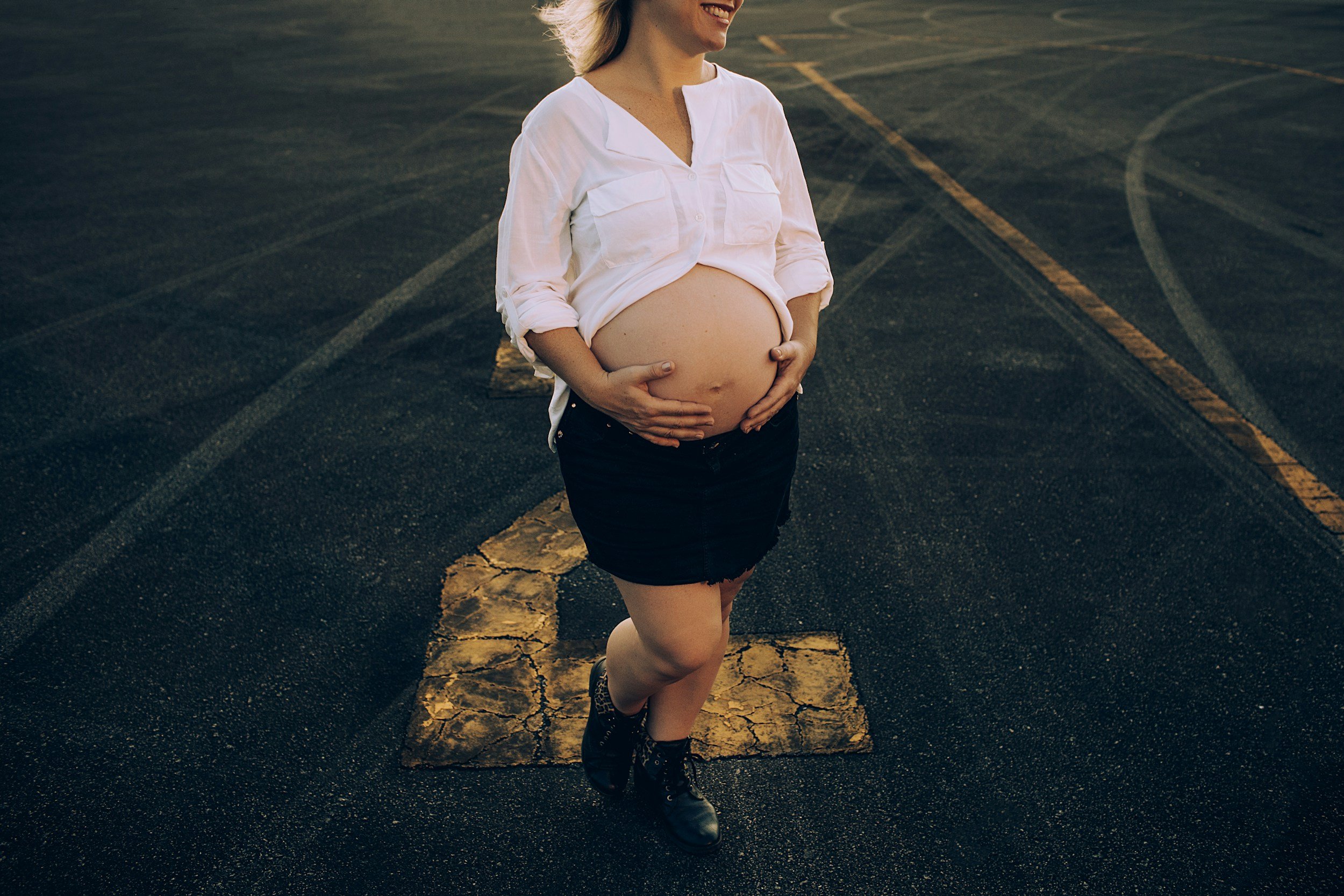
If you're expecting a baby in Belgium, understanding maternity leave is essential—especially as an expat navigating a new system. In this guide, we explain how maternity leave and pay work in Belgium, and what you’re entitled to.
For a full overview of pregnancy, healthcare, and postpartum care, read our complete guide to pregnancy in Belgium for expats. Ultimate Guide to Pregnancy in Belgium for Expats (2026): Healthcare, Birth & Postpartum Care
How Long Is Maternity Leave in Belgium?
In Belgium, maternity leave (also called prenatal and postnatal leave) is structured in two parts:
Before birth (prenatal leave)
Up to 6 weeks before your due date
1 week is mandatory
The remaining 5 weeks are optional
If you don’t use all your prenatal leave, you can transfer unused weeks to after the birth
After birth (postnatal leave)
9 weeks are mandatory
This period starts immediately after your baby is born
Total leave
Minimum: 10 weeks (1 before + 9 after)
Maximum: 15 weeks if you take full prenatal leave
You can read more about the maternity, parental, paternity/co-parent leave at: Types of Leave
Maternity Pay in Belgium
Maternity leave is paid in Belgium. But, you don’t receive your salary from your employer. Instead, you are paid through Belgium’s national health insurance system (mutuelle / ziekenfonds).
How much do you get paid?
Maternity pay depends on your income, but typically:
First 30 days: ~82% of your gross salary
After 30 days: ~75% of your salary (capped)
Payments are subject to a maximum salary ceiling, so higher earners may receive slightly less proportionally.
Can expats get maternity leave in Belgium?
Yes - you are generally eligible for maternity benefits if you:
Are registered with a Belgian health insurance fund
Are working and paying social security contributions
Follow the required administrative steps (medical certificate, notification, etc.)
Expats working in Belgium usually qualify—as long as they are properly registered in the system.
What Do You Need to Do?
To receive maternity pay, you must:
Inform your employer of your pregnancy
Submit a medical certificate with your due date
Notify your health insurance provider
Complete required claim forms after birth
Processing is usually smooth, but delays can happen if paperwork is incomplete—so submit everything early.
🌍 What Expats Should Know
If you're new to Belgium, here are a few key tips:
The system is insurance-based, not employer-paid
Most communication will go through your mutuelle / ziekenfonds
Documents may be in French or Dutch, depending on your region
You may need help navigating admin if you’re unfamiliar with the system
Related: Complete Pregnancy Guide for Expats
For a full overview of pregnancy, healthcare, and postpartum care in Belgium, read the complete guide: