Giving Birth in Belgium Without Speaking French or Dutch: What Every Expat Needs to Know
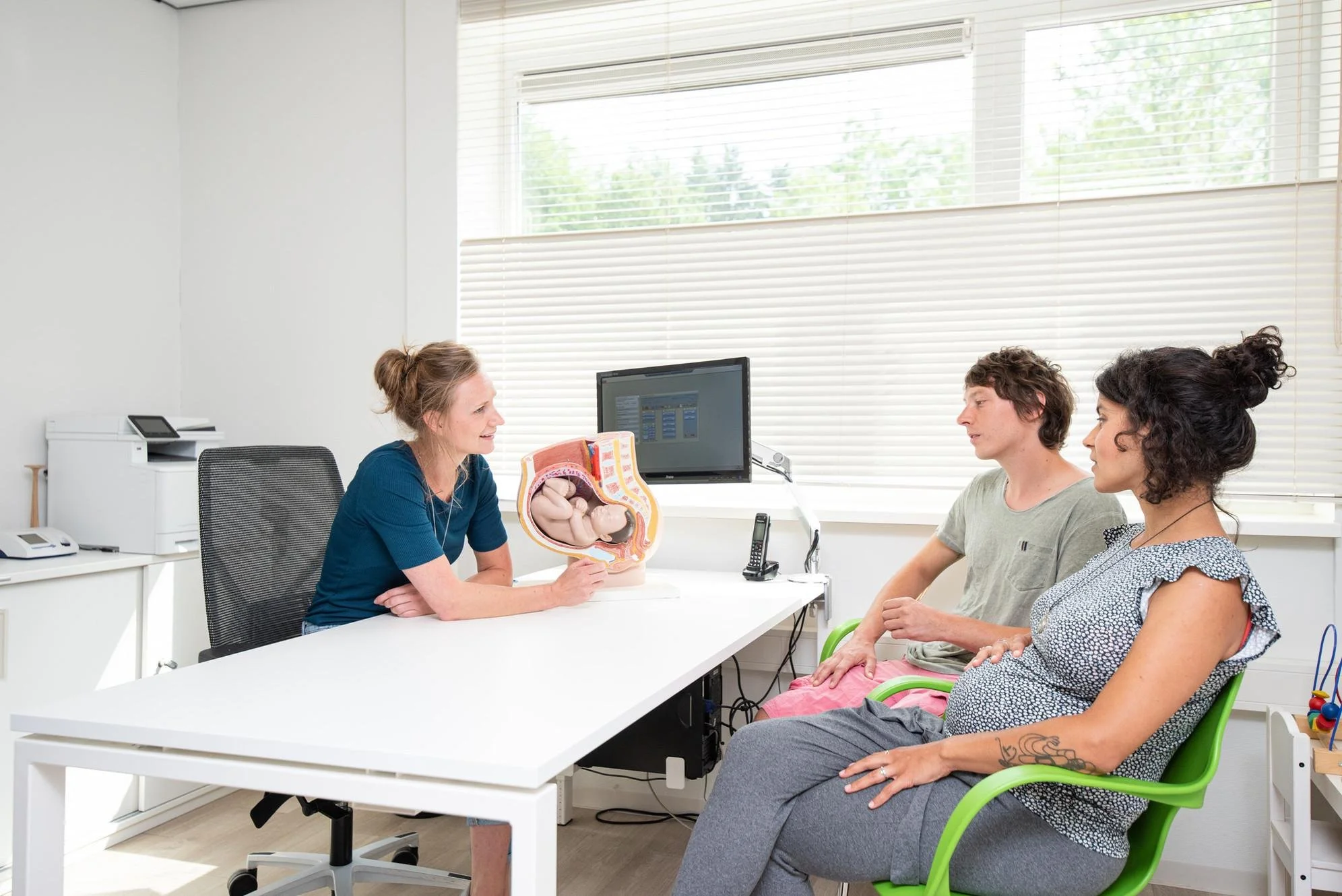
"I'm pregnant, I don't speak French or Dutch… what happens if I go into labour?"
If this question has been keeping you awake at night, you're not alone.
For many expats, language is one of the biggest worries during pregnancy. Labour can feel unpredictable enough without adding the stress of communicating in a foreign language.
The reassuring news is that every year, thousands of international families welcome their babies in Belgium. While not every healthcare professional speaks fluent English, Belgian maternity care is among the best in Europe, and hospitals are increasingly experienced in caring for international patients.
With a little preparation, you can feel confident and well supported throughout your pregnancy, labour and birth.
The short answer: Yes, you'll be okay
One of the biggest misconceptions among newcomers is that you must speak French or Dutch to give birth safely in Belgium.
You don't!
Many gyaecologists, midwives and anaesthetists—particularly in Brussels and university hospitals—speak good English. Even where English isn't widely spoken, maternity teams are accustomed to caring for international families and will do everything they can to communicate clearly. That said, don't expect every member of staff to be fluent. Receptionists, healthcare assistants, catering staff or night nurses may have limited English, depending on the hospital and region. This is why preparation makes such a difference.
Choose your hospital with language in mind
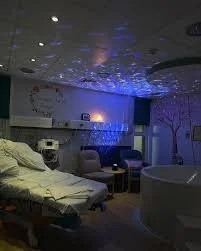
A cosy hospital birth environment
When comparing hospitals, most parents focus on facilities or location. As expats you should also ask about communication. During your hospital visit, consider asking:
Are antenatal appointments available in English?
Do most midwives speak English?
Will your gynaecologist be comfortable discussing medical decisions in English?
Are written maternity guides available in English?
If there is a communication problem, what support is available?
Hospitals in Brussels often care for patients from dozens of nationalities every day, while hospitals in smaller towns may have fewer English-speaking staff.
There isn't a "right" choice—just the one that makes you feel most comfortable.
Remember: You have the right to understand your care
One fact that many expats don't realise is that healthcare professionals must ensure you understand important medical information before you consent to treatment. If something isn't clear, don't hesitate to say:
"Could you explain that more simply?"
"Could you repeat that more slowly?"
"Can you write that down?"
"I'm sorry, I don't understand."
No healthcare professional expects you to understand complex medical terminology in a language you don't speak.
Create a bilingual birth plan
A birth plan isn't just about your birth preferences—it can also become a communication tool. Having your birth plan translated into French or Dutch helps every member of the maternity team quickly understand what's important to you. Include information such as:
Preferred pain relief
Birth positions
Delayed cord clamping
Skin-to-skin contact
Feeding preferences
Any allergies or medical conditions
Cultural or religious wishes
Emergency contact details

Even if your midwife speaks excellent English, another staff member may refer to your birth plan during a shift change.
Your partner can be your biggest advocate
Labour isn't the ideal time to search for the right words.
Your birth partner can help by:
explaining your preferences
asking questions
keeping your birth plan accessible
helping you stay calm
reminding staff about important wishes if you're unable to speak comfortably during contractions
Even if neither of you speak French or Dutch, having another calm person involved can make communication much easier. So, consider having a birth doula or trusted friend as a member of your support team.
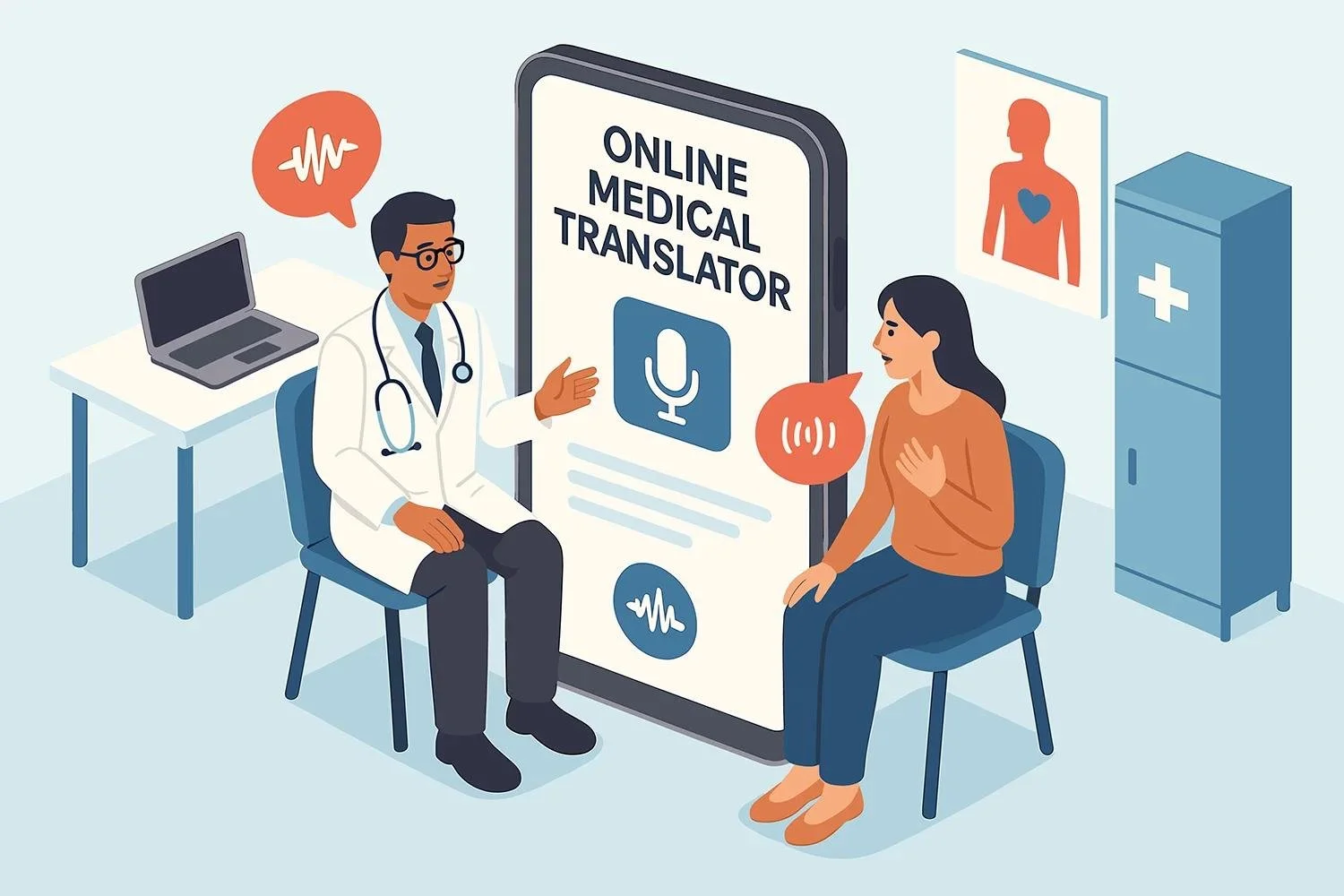
Translation apps can help—but they're not perfect
Make it stand out
Most parents use Google Translate at some point during pregnancy.
It can be incredibly useful for:
understanding menus
asking for extra pillows
reading signs
simple conversations
However, for important medical discussions, don't rely solely on an app. If you're unsure about a treatment, procedure or medication, always ask for another explanation until you're confident you understand.
Learn a few maternity words
Nobody expects you to become fluent before your due date but learning a handful of words can simply make the experience less stressful.
Download ‘Language Barriers? Obstetric Terminology List(French/Dutch)’
You might never need them—but knowing them can boost your confidence.
After your baby’s born
Communication doesn't stop once your baby is born. Before going home, you'll receive information about:
feeding your baby
newborn health checks
follow-up appointments
paperwork
adding your baby to your health insurance
If you're unsure about anything, ask before leaving the hospital. Most maternity teams are happy to explain things more than once.
The biggest surprise for many expat parents
Many international parents tell us afterwards that language turned out to be much less of a problem than they expected.
A smile
Eye contact
A reassuring hand
A calm midwife
These moments often matter more than perfect grammar. Labour is an intensely human experience, and experienced maternity teams know how to support parents from all over the world.
Final thoughts
Giving birth in a new country can feel intimidating, especially if you don't speak the local language. But don't let that fear overshadow what is also an exciting milestone.
Choose a hospital where you feel comfortable, prepare a bilingual birth plan, ask questions whenever you're unsure and remember that you have the right to understand the care you're receiving. Thousands of expat families have successfully navigated pregnancy and childbirth in Belgium before you—and with the right preparation, you can too.
Frequently Asked Questions
Can I give birth in Belgium if I only speak English?
Yes. Many healthcare professionals, particularly in Brussels and larger hospitals, speak English. However, this varies by hospital and region, so it's worth asking about language support during your prenatal visits.
Will the hospital provide an interpreter?
Interpreter availability differs between hospitals. If you're concerned about communication, ask your maternity unit well before your due date what support they can offer.
Can my partner translate during labour?
In many situations, yes. Your partner can help with everyday communication, but healthcare professionals will still ensure you understand important medical decisions.
What if I don't understand something during labour?
Always tell the medical team. They can slow down, rephrase information, write it down or use other communication methods to help ensure you understand your care.