Prenatal Checkups in Belgium: Timeline, Tests & What to Expect (2026 Guide for Expats)
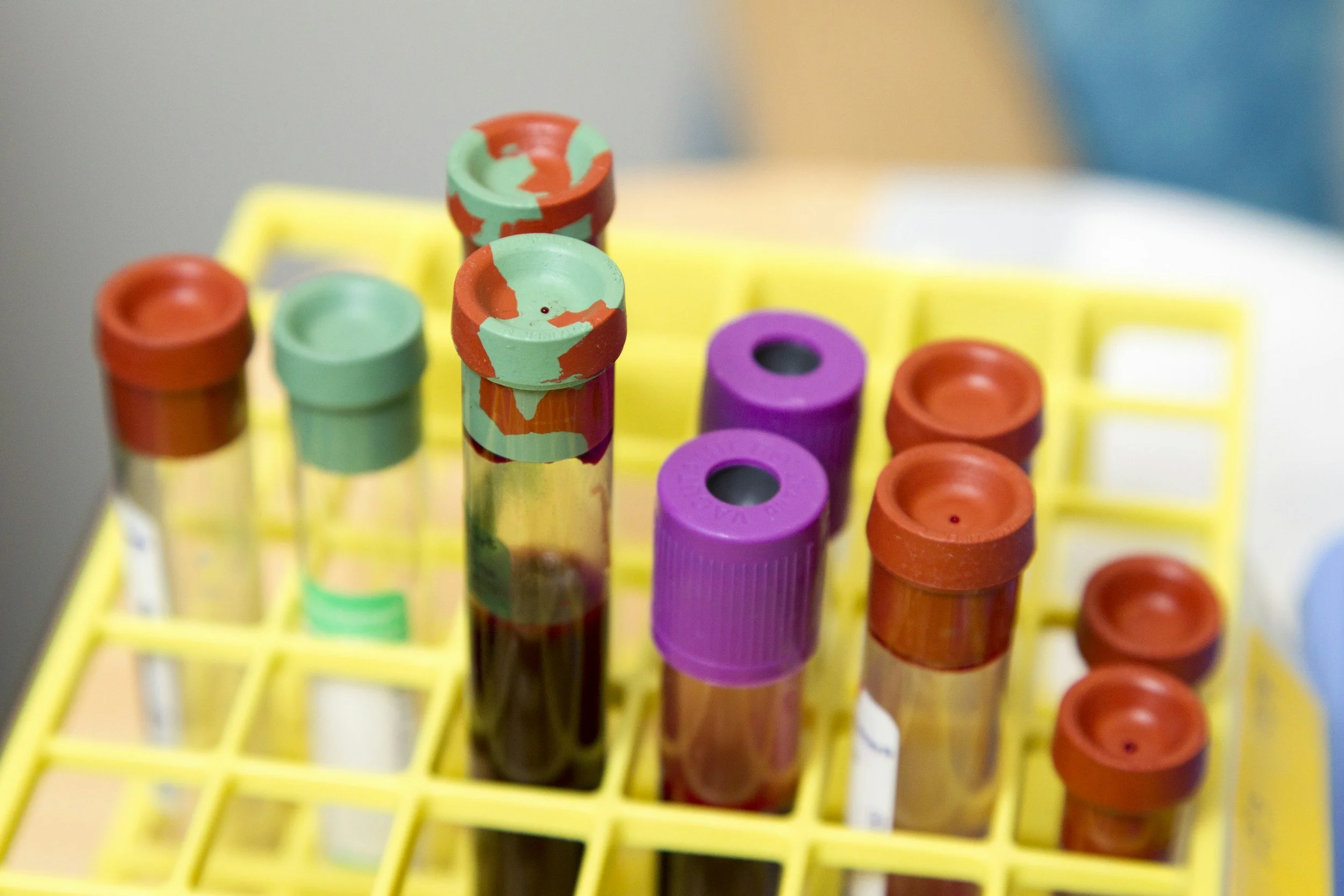
If you’re pregnant in Belgium, you’ll quickly notice that prenatal care follows a clear, structured medical schedule designed to monitor both your health and your baby’s development.
For expats, understanding what happens—and when—can make the experience far less stressful.
In this guide, we’ll walk you through:
the full prenatal timeline
key tests and ultrasounds
what’s optional vs recommended
what to expect at each stage
👉 For the full system (insurance, birth, postpartum care), read theUltimate Guide to Pregnancy in Belgium for Expats (2026).
How Prenatal Care Works in Belgium
Prenatal care is typically provided by:
a gynaecologist (most common for expats)
a midwife (for low-risk pregnancies)
or a combination of both
Appointments usually follow this rhythm:
Monthly until 28 weeks
Every 2 weeks until 36 weeks
Weekly until birth
💡 This structured schedule ensures continuous monitoring of:
blood pressure
baby’s growth
maternal health
First Trimester (Weeks 1–12)
This is all about confirming the pregnancy and assessing early development.
What happens:
✔️ Pregnancy confirmation (blood test)
✔️ First consultation (around 7–10 weeks)
✔️ Dating ultrasound (around 8–10 weeks)
✔️ Blood tests (iron, infections, blood group)
✔️ Optional genetic screening
At your first scan, your doctor will:
confirm the pregnancy
check for heartbeat
estimate your due date
Screening options:
NIPT (from ~11–12 weeks) screens for chromosomal conditions
Combined screening (nuchal translucency + blood tests)
💡 Important: These are usually optional but widely recommended
Second Trimester (Weeks 13–27)
This is the most “reassuring” phase for many parents.
Key milestone:
✔️ 20-week anatomy scan (morphological ultrasound)
This detailed scan checks:
baby’s organs
growth and development
placenta and amniotic fluid
Other routine checks:
Blood pressure
Weight
Baby’s heartbeat
Fundal height (baby growth measurement)
Additional test:
✔️ Gestational diabetes screening (24–28 weeks)
Third Trimester (Weeks 28–40)
Appointments become more frequent as your due date approaches.
Focus shifts to:
✔️ Monitoring baby’s growth
✔️ Checking baby’s position
✔️ Preparing for labour and delivery
A third ultrasound (around 30–34 weeks) checks:
baby’s growth
position (head down or breech)
placenta function
Late pregnancy test:
✔️ Group B Strep screening (35–37 weeks)
How Many Ultrasounds Do You Get?
In Belgium:
3 ultrasounds are officially reimbursed (one per trimester)
However:
Many providers offer additional scans depending on your situation
💡 This surprises many expats—Belgium tends to be more medically thorough than some countries.
Optional vs Required Tests
Common (routine)
Blood tests
Ultrasounds
Gestational diabetes test
Group B strep screening
Optional (but common)
NIPT
Additional ultrasounds
Diagnostic tests (if risk detected)
Real Advice for Expats
Here’s what most guides don’t tell you:
1. Appointments can feel quick
Belgian consultations are often efficient.
👉 Write down your questions in advance.
2. “No news is good news”
Doctors may only contact you if something is wrong
3. You may use multiple providers
It’s common to:
see a gynaecologist
work with a midwife for support
4. Extra tests are common
Even though only 3 ultrasounds are reimbursed, many doctors:
perform additional scans
monitor more closely
Common Mistakes Expats Make
Waiting too long to book the first appointment
Not understanding which tests are optional
Assuming all communication will be in English
Not budgeting for non-reimbursed extras
FAQ: Prenatal Care in Belgium
When should I book my first appointment?
Around 7–10 weeks of pregnancy is typical.
How often are prenatal visits?
Monthly at first, then more frequent in the third trimester.
Are prenatal tests covered?
Most essential tests are reimbursed, but some (like NIPT) may require partial payment.
Can I choose a midwife instead of a doctor?
Yes—especially for low-risk pregnancies.
Continue Your Pregnancy Journey
Prenatal care is just one part of the journey.
To understand:
healthcare costs
insurance
birth options
postpartum care
admin steps
👉 Read the full guide:
Ultimate Guide to Pregnancy in Belgium for Expats (2026)
Final Thoughts
Belgium offers structured, high-quality prenatal care that combines:
regular monitoring
advanced screening
flexibility in providers
Once you understand the timeline, the system becomes much easier to navigate—and far less overwhelming.