Registering Your Baby for Health Insurance in Belgium (A Guide for Expats)
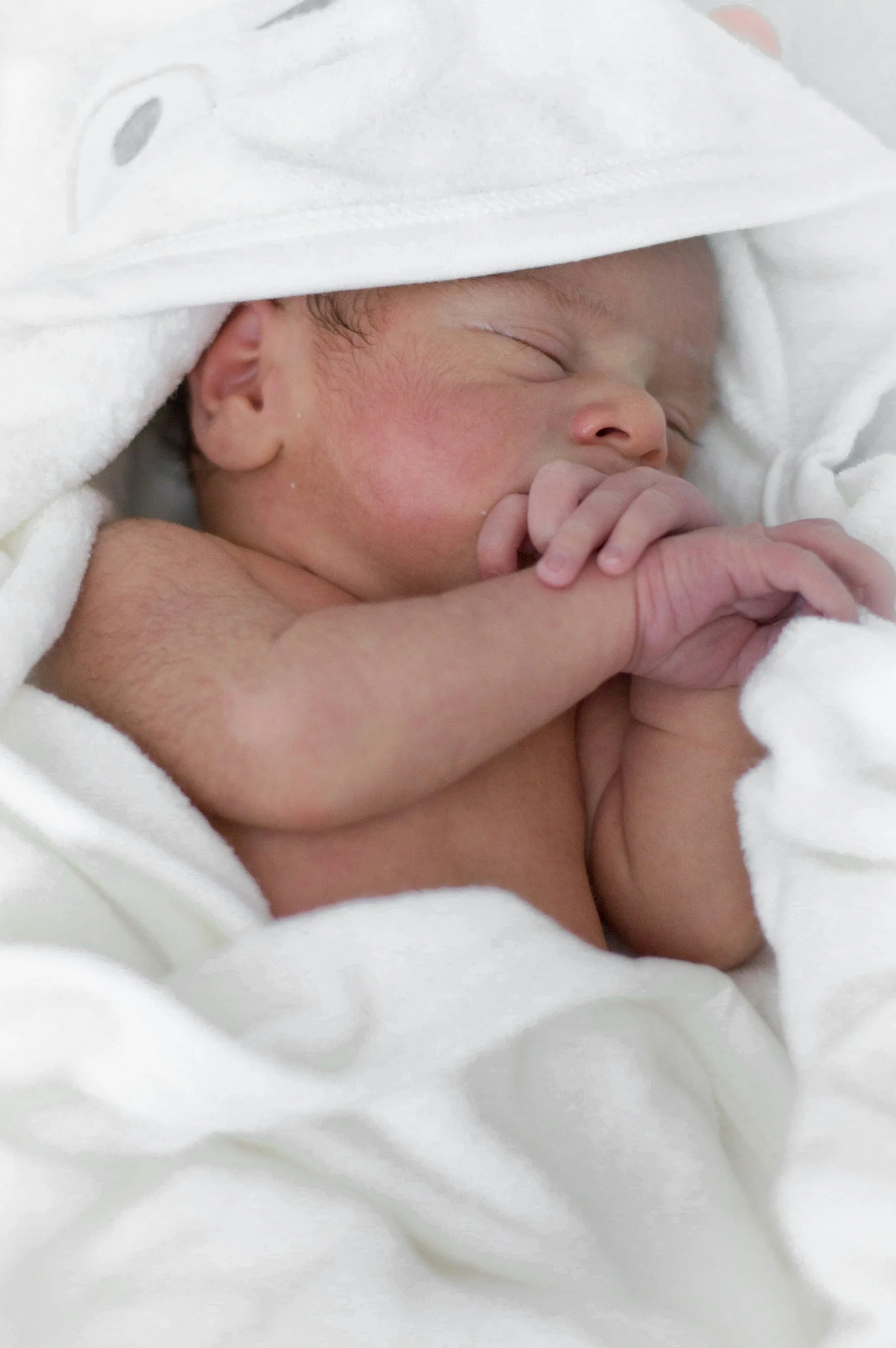
Moving through pregnancy in a new country can feel overwhelming, especially when it comes to the paperwork that follows your baby’s birth. One of the most important administrative steps in Belgium is registering your newborn with your health insurance fund (mutuelle / ziekenfonds).
If you're navigating pregnancy as an expat, this guide explains what to do, when to do it, and why it matters.
(For a full overview of pregnancy, birth, and postpartum care in Belgium, read our complete guide: “Ultimate Guide to Pregnancy in Belgium for Expats.”)
Why You Need to Register Your Baby for Health Insurance
Belgium’s healthcare system is built around compulsory public health insurance, usually managed through a mutuelle / ziekenfonds. Membership ensures that medical costs are reimbursed and that families have access to healthcare services.
When your baby is born, registering them with your health insurance fund ensures coverage for:
Pediatric consultations
Vaccinations
Hospital care
Medical treatments and prescriptions
Without registration, reimbursements for your baby’s healthcare may not be processed.
When to Register Your Baby
In Belgium, most administrative tasks after birth happen quickly.
You must:
Register your baby’s birth within 15 calendar days at the commune where the baby was born
Register your baby with your health insurance fund shortly after using the birth certificate or attestation issued by the municipality
Hospitals and government systems sometimes automatically notify insurance funds, but it’s still recommended to contact your fund directly to ensure the registration is completed.
How to Register Your Baby with a Belgian Health Insurance Fund
The process is usually straightforward.
Step 1: Register the Birth
First, declare the birth at the commune where the baby was born. This produces the official birth certificate needed for most administrative steps. Read more about this process at: Registering Your Baby
Step 2: Contact Your Health Insurance Fund
Send your mutuelle:
The birth certificate or official attestation
Your membership details
Any required registration form
Your baby will then be registered as a dependent on your insurance policy
Step 3: Receive Your Baby’s Insurance Documents
Once registered, you may receive:
Health insurance stickers in your baby’s name
A social security identification card (ISI card)
These are used for doctor visits, pharmacy reimbursements, and medical services
What Happens If You Don’t Register Your Baby?
If a newborn has not been registered with a health insurance fund, hospitals can sometimes initiate registration with the mother’s insurer after a certain period
However, it’s best to complete the registration yourself as soon as possible to avoid delays in reimbursements or coverage
Additional Benefits After Registering Your Baby
Once your baby is registered with your mutuelle, you may also receive additional benefits, depending on the insurance fund.
These can include:
Birth gifts or bonuses from the insurance fund
Reimbursement for maternity care services
Access to postpartum support programs
For example, some funds reimburse maternity care services after birth, offering support for household tasks and newborn care.
Administrative Checklist for New Parents in Belgium
Along with health insurance registration, new parents usually need to:
Register the birth at the commune
Apply for child benefits or birth allowance
Notify their employer about the birth
Register for childcare if needed
These steps ensure your baby is fully integrated into the Belgian healthcare and social support system.
To keep you on track with the Belgian admin you can download our: Pregnancy Administration Checklist
Navigating Pregnancy in Belgium as an Expat
Understanding how the Belgian healthcare system works—from prenatal care to postnatal support—can make pregnancy much smoother.
If you’re expecting a baby in Belgium, our comprehensive guide walks you through everything you need to know:
Choosing a midwife or gynaecologist
Understanding hospital births and home births
Pregnancy appointments and tests
Postpartum care and administrative tasks
👉 Read the full guide:
Ultimate Guide to Pregnancy in Belgium for Expats (2026)